
Wood
What is Wood?
Wood is a natural material derived from trees and shrubs, consisting mainly of cellulose fibers embedded in a matrix of lignin. It has been a fundamental resource throughout human history, used for building, crafting tools, and creating art. Today, wood remains vital in manufacturing and for promotional gifts due to its strength, durability, and aesthetic appeal.
Common Properties and Characteristics of Wood
Wood is known for its strength, flexibility, and natural beauty. It is a lightweight material yet offers significant structural support, making it ideal for construction and furniture. Wood's natural grain and texture add aesthetic value, and it can be easily stained or painted to match different design preferences. Additionally, wood has good insulation properties, providing thermal and acoustic benefits.
Applications of Wood in Manufacturing
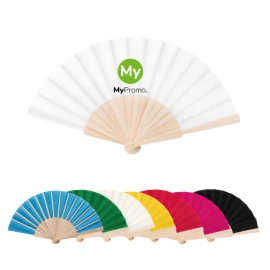
Wood is used in a vast array of products due to its versatility. Common applications include furniture, flooring, cabinetry, and building materials. Notable examples of wood products are oak dining tables, maple flooring, and mahogany cabinets. In the promotional gifts sector, wood is often used to create personalized items such as personalized fans, custom-made picture frames, and branded wooden keychains. These items not only look elegant but also convey a sense of quality and craftsmanship.
Advantages of Using Wood in Manufacturing
One of the main advantages of wood is its renewability. When sourced responsibly, wood is a sustainable material that can be replenished through proper forest management. Wood products are also biodegradable, reducing environmental impact compared to synthetic materials. Moreover, wood's natural insulating properties can contribute to energy efficiency in buildings. Its aesthetic appeal and versatility make it a preferred choice for designers and manufacturers alike.
Comparing Wood with Other Materials
When compared to materials like plastic or metal, wood offers unique features such as a lower environmental footprint and better thermal insulation. Unlike plastic, wood does not produce harmful chemicals during decomposition and is less energy-intensive to produce than metal. However, wood can be susceptible to pests, rot, and warping if not properly treated and maintained, which are challenges not typically associated with synthetic materials.
Challenges and Limitations of Wood
Despite its many benefits, wood does have some limitations. It can be vulnerable to insects, fungi, and moisture, which can lead to decay and damage over time. Proper treatment and maintenance are necessary to prolong its lifespan. Additionally, the quality of wood can vary significantly depending on its type and source, making it essential to select the right wood for specific applications. Lastly, the process of harvesting and processing wood can have environmental impacts if not managed sustainably.
Properties of Different Types of Wood
| Type of Wood | Density (kg/m³) | Durability | Common Uses | Aesthetic Features |
|---|---|---|---|---|
| Oak | 600-900 | High | Furniture, Flooring | Prominent grain, light to dark brown |
| Pine | 400-600 | Moderate | Construction, Furniture | Light color, straight grain |
| Mahogany | 500-850 | High | Cabinets, Instruments | Reddish-brown color, fine grain |






What is wood made of?
Wood is composed primarily of cellulose fibers embedded in a matrix of lignin, giving it strength and rigidity.
How is wood processed for use in manufacturing?
Wood is sourced by harvesting trees, which are then cut into lumber at sawmills, seasoned to reduce moisture, and processed into various shapes and sizes.
What are the main advantages of using wood in construction?
Wood offers advantages such as strength, durability, renewability, and aesthetic appeal. It also provides good thermal and acoustic insulation.
How can wood be protected from pests and decay?
Wood can be protected through treatments such as pressure treating, applying sealants, and using naturally resistant wood types like cedar or teak.
What are some common uses of wood in promotional gifts?
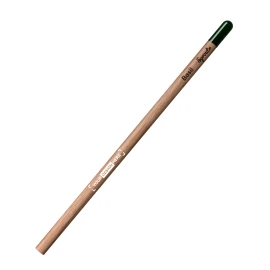
Wood is commonly used in promotional gifts such as engraved pens, custom picture frames, wooden keychains, and branded coasters due to its elegance and customizability.