Biodegradable
What is Biodegradable Material?
Biodegradable materials have become increasingly important in the manufacturing sector and the promotional gifts industry. These materials are capable of breaking down naturally into non-toxic components when exposed to biological elements such as bacteria and fungi. Historically, the concept of biodegradability has been around since humans first began disposing of waste, but it wasn't until the environmental movements of the 20th century that significant attention was directed towards biodegradable materials as sustainable alternatives to synthetic, non-degradable plastics.Biodegradable materials are primarily sourced from natural origins, including plant-based resources, animal products, and other organic matter. The production process typically involves the extraction of raw materials, which are then processed and transformed into usable forms. For example, corn starch can be extracted and processed to create polylactic acid (PLA), a popular biodegradable plastic used in various applications.
Key Properties and Characteristics of Biodegradable Materials
Biodegradable materials are distinguished by their capacity to decompose naturally, returning to the earth without leaving harmful residues. This attribute aligns with increasing environmental awareness and consumer demand for sustainable products. These materials often have a lower carbon footprint during production compared to traditional plastics and metals. They are usually lightweight, have adequate strength for a range of applications, and can be moulded into various shapes and sizes.
Harnessing Biodegradable Materials in Manufacturing and Promotions
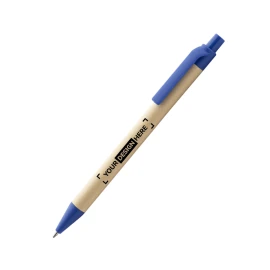
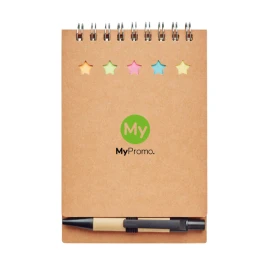
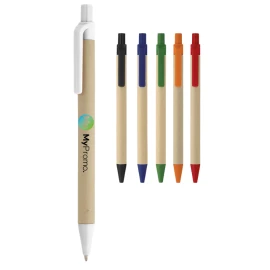
In the realm of manufacturing and promotional products, biodegradable materials are used to create items that combine functionality with sustainability. Common applications include biodegradable packaging, disposable cutlery, and agricultural films. In promotional products, biodegradable materials are employed to craft customised items such as personalised pens, personalised bags, and personalised coasters that serve as eco-friendly alternatives to conventional promotional gifts. These applications not only help companies reduce their environmental impact but also enhance their brand image by aligning with green initiatives.
Comparative Advantages and Challenges
When compared to traditional materials like plastics and metals, biodegradable materials offer the unique advantage of reducing waste and pollution. They provide a solution to the growing problem of landfill and ocean plastic. However, they also face challenges such as generally higher costs of production, limited durability under certain conditions, and a dependency on the industrial composting facilities for proper breakdown.
Understanding biodegradable materials involves appreciating their role in a more sustainable future, recognising their benefits, and addressing their limitations. As industries continue to evolve, the development of more efficient and cost-effective biodegradable materials will be crucial in shaping a more environmentally conscious manufacturing landscape.
| Aspect | Advantages | Challenges |
|---|---|---|
| Environmental Impact | Reduces landfill waste, low carbon footprint | Requires industrial composting facilities |
| Production Cost | Renewable resources can be cost-effective long-term | Generally higher initial production costs |
| Durability | Sufficient for intended single-use applications | Limited durability under certain conditions |
| Consumer Perception | Aligns with growing eco-conscious consumer base | Requires consumer education on proper disposal |
| Technological Development | Continuously improving processing techniques | Still behind conventional materials in some areas |