
Terracotta
What is Terracotta?
Terracotta, a type of earthenware, is a ceramic material that has been used for centuries in various applications, particularly in the manufacturing and promotional gifts industries. The term "terracotta" comes from the Italian words "terra," meaning earth, and "cotta," meaning cooked. This material is renowned for its rich, earthy tones and distinctive texture, making it a popular choice for various decorative and functional items.Historically, terracotta has played a crucial role in human civilization. It was extensively used by ancient cultures, including the Egyptians, Greeks, and Chinese, for creating sculptures, pottery, and architectural elements. The famous Terracotta Army of China's Qin Dynasty is a remarkable example of the material's historical significance and durability.
The process of producing terracotta is relatively straightforward. It begins with sourcing natural clay, which is abundant in many parts of the world. The clay is then mixed with water to form a malleable paste. This paste is shaped into the desired form, whether it be a pot, tile, or sculpture. Once shaped, the items are left to dry before being fired in a kiln at high temperatures, typically around 1000°C to 1200°C. This firing process hardens the clay, transforming it into terracotta.
Unique Properties and Characteristics of Terracotta
Terracotta is celebrated for its unique properties, which include porosity, durability, aesthetic appeal, and versatility. The material is naturally porous, allowing air and moisture to pass through, which can be beneficial for plant pots and certain architectural applications. When properly fired, terracotta becomes a robust and long-lasting material, capable of withstanding the elements. Its warm, earthy colour ranges from pale yellow to deep red, offering a rustic charm that is visually appealing. Additionally, terracotta can be easily moulded into various shapes and sizes, making it suitable for a wide range of uses.
Applications and Examples of Terracotta Products
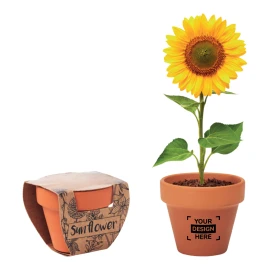
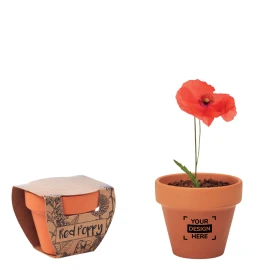
Terracotta's versatility makes it suitable for numerous applications. It is commonly used in the creation of pottery and dishware, such as pots, bowls, and plates, both for their functionality and decorative appeal. In construction, terracotta tiles and bricks are popular due to their durability and natural insulation properties. Many artists prefer terracotta for sculptures and artistic pieces because of its workability and traditional aesthetic. In the realm of promotional gifts, terracotta is an excellent choice for personalised items, such as branded flower pots, personalised coasters, and decorative plaques. These items not only serve practical purposes but also provide a unique and memorable way to promote a brand.
Advantages of Using Terracotta in Manufacturing
Using terracotta in manufacturing offers several advantages. Its natural origin and abundance make it an eco-friendly option compared to synthetic materials. The production process is relatively simple and energy-efficient, further enhancing its environmental benefits. Terracotta's durability ensures that products made from it have a long lifespan, reducing the need for frequent replacements. Additionally, its distinctive appearance adds a touch of elegance and tradition to any product, making it appealing to a wide range of consumers.
Comparison with Other Materials
Compared to other materials, terracotta stands out for its unique combination of properties. Unlike plastic, which can be harmful to the environment, terracotta is biodegradable and sustainable. While metals like steel offer greater strength, they lack the aesthetic warmth and traditional charm of terracotta. Glass can be fragile and less durable, whereas terracotta provides a more robust and long-lasting option. Wood, although natural and appealing, may not offer the same level of durability and weather resistance as terracotta.
Challenges and Limitations of Terracotta
Despite its many advantages, terracotta does have some limitations. Its porosity, while beneficial in some applications, can make it prone to water absorption and damage in freezing conditions. This can limit its use in certain climates or require additional treatments to enhance its durability. The weight of terracotta products can also be a disadvantage in some contexts, making transportation and handling more challenging. However, with proper care and appropriate use, these challenges can be managed effectively.
In summary, terracotta is a versatile and historically significant material that continues to find relevance in modern manufacturing and promotional gifts. Its unique properties and aesthetic appeal make it a preferred choice for a variety of applications, from pottery to construction to personalised gifts. While it has some limitations, the benefits of using terracotta often outweigh these challenges, making it a valuable material in today's market.



What is terracotta?
Terracotta is a type of ceramic made from natural clay that is fired at high temperatures, typically ranging from 1000°C to 1200°C. It is known for its distinctive earthy colours, ranging from pale yellow to deep red, and is used in a variety of applications including pottery, tiles, and sculptures.
What are the common uses of terracotta?
Terracotta is widely used in creating pottery and dishware, building materials such as tiles and bricks, sculptures, and decorative items. It is also popular for personalised promotional items like branded flower pots, coasters, and decorative plaques.
What are the main properties of terracotta?
Terracotta is celebrated for its porosity, durability, aesthetic appeal, and versatility. It is naturally porous, allowing air and moisture to pass through, which can be beneficial for plant pots. When properly fired, it becomes robust and long-lasting, capable of withstanding various environmental conditions.
How is terracotta produced?
The production of terracotta involves sourcing natural clay, which is mixed with water to form a malleable paste. This paste is shaped into the desired form and then left to dry. Once dry, the items are fired in a kiln at high temperatures, transforming the clay into hard, durable terracotta.
What are the advantages of using terracotta?
Terracotta is an eco-friendly material due to its natural origin and abundance. The production process is relatively simple and energy-efficient. Its durability ensures a long lifespan for terracotta products, reducing the need for frequent replacements. Additionally, its unique appearance adds a touch of tradition and elegance to various products.