
Stone paper
What is Stone Paper?
Stone paper is an innovative and eco-friendly material primarily made from calcium carbonate (limestone) and a small amount of resin. It was developed in the 1990s by Taiwanese researchers. Unlike traditional paper made from wood pulp, stone paper is tree-free, durable, waterproof, and tear-resistant, making it popular in manufacturing and for promotional gifts. It is produced by grinding limestone into a fine powder, mixing it with non-toxic resin, and then heating and stretching the mixture into thin, paper-like sheets.
Unique Properties of Stone Paper
Stone paper is renowned for its distinctive properties. It is waterproof, tear-resistant, and has a smooth, silky texture. These qualities make it ideal for various applications where durability and high quality are essential. Additionally, stone paper is recyclable and photodegradable, meaning it can break down under sunlight over time.
Applications of Stone Paper
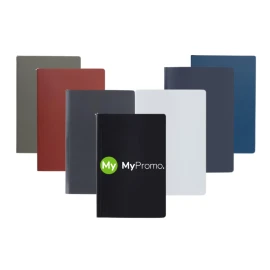
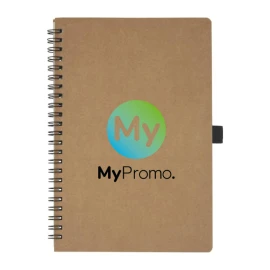
Stone paper is used in a wide range of products, from stationery to packaging. Notable examples include personalised stone paper notebooks, business cards, and shopping bags. Its durability and unique texture make it a popular choice for high-end promotional items, such as personalised journals and branded notebooks. Companies often choose stone paper for promotional gifts because it demonstrates a commitment to sustainability and innovation.
Advantages of Stone Paper in Manufacturing
One of the primary advantages of stone paper is its eco-friendliness. Since it doesn't require trees, it helps reduce deforestation and the environmental impact associated with traditional paper production. Stone paper production also uses less water and energy compared to conventional paper manufacturing processes.
Moreover, stone paper's durability means products last longer, reducing the frequency of replacements and waste. Its resistance to water and tearing makes it ideal for outdoor use and applications where traditional paper would easily degrade.
Comparing Stone Paper with Other Materials
When compared to traditional wood pulp paper, stone paper stands out due to its durability and environmental benefits. Unlike plastic-based materials, stone paper does not produce harmful microplastics when degraded. However, it is important to note that stone paper is heavier than conventional paper and may have higher initial production costs.
Challenges and Limitations of Stone Paper
Despite its many advantages, stone paper does have some limitations. It is heavier than traditional paper, which can affect shipping costs and logistics. Additionally, while stone paper is recyclable, it requires specific recycling processes that may not be available in all regions. Lastly, the resin used in stone paper production, although non-toxic, is still a petroleum-based product.
Properties of Stone Paper
| Property | Description |
|---|---|
| Waterproof | Resistant to water, making it ideal for outdoor use |
| Tear-resistant | Durable and less likely to tear compared to traditional paper |
| Smooth Texture | Offers a unique, silky feel, enhancing the tactile experience |
| Eco-friendly | Made from limestone and resin, reducing the need for wood pulp |
| Photodegradable | Breaks down under sunlight, reducing long-term environmental impact |





What is Stone Paper Made Of?
Stone Paper is primarily made from calcium carbonate, which is bonded with a small amount of high-density polyethylene resin to create a durable and flexible material.
Is Stone Paper Environmentally Friendly?
Yes, Stone Paper is considered environmentally friendly because it requires no trees, water, or bleach in its production process, and emits fewer greenhouse gases compared to traditional paper manufacturing.
Can Stone Paper Be Recycled?
Yes, Stone Paper can be recycled. However, it is important to ensure it is recycled properly to minimise environmental impact.
What Are the Common Uses of Stone Paper?
Stone Paper is used in a variety of products including notebooks, packaging, labels, posters, business cards, brochures, and eco-friendly stationery.
How Does Stone Paper Compare to Traditional Paper in Terms of Durability?
Stone Paper is more durable than traditional paper, offering superior resistance to water, tearing, and grease, making it ideal for applications requiring long-lasting materials.