
Tritan
What is Tritan?
Tritan is a type of plastic known for its exceptional durability, clarity, and safety. This innovative material has become increasingly significant in the manufacturing industry, especially for producing high-quality promotional gifts. Tritan is a copolyester developed by Eastman Chemical Company and has revolutionized how we think about plastic materials in everyday items.Tritan's history began in the early 2000s when Eastman introduced it as a safer alternative to polycarbonate plastics. Unlike traditional plastics, Tritan is free from Bisphenol A (BPA), a chemical often associated with health risks. This breakthrough made Tritan a preferred choice for many manufacturers seeking to create safer and more reliable products.
The production of Tritan involves a series of chemical processes starting from the polymerisation of raw materials. These raw materials are combined under specific conditions to form the copolyester known as Tritan. The material is then melted and shaped into various forms, such as sheets or pellets, which can be further moulded into final products. The process ensures that the inherent properties of Tritan, such as its clarity and strength, are preserved.
Key Properties and Characteristics of Tritan
Tritan boasts several impressive properties that make it stand out among other plastics. It is known for its outstanding durability, meaning products made from Tritan are highly resistant to impacts and breakage. This makes it an ideal choice for items that need to withstand frequent use or harsh conditions.
Another notable characteristic of Tritan is its clarity. Tritan products often resemble glass, with a high level of transparency that remains intact over time, even after repeated use and washing. This makes it a popular choice for drinkware and other items where visual appeal is essential.
In addition to its durability and clarity, Tritan is also resistant to odours and stains. This property ensures that products maintain their aesthetic and functional qualities over their lifespan, making Tritan an excellent material for food and beverage containers.
Applications and Examples of Tritan Products
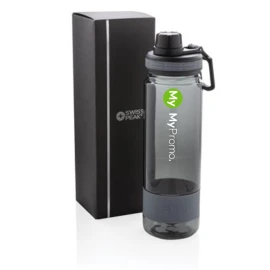
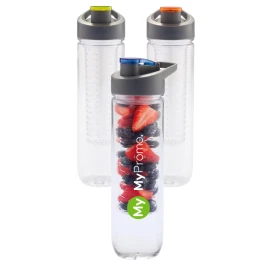
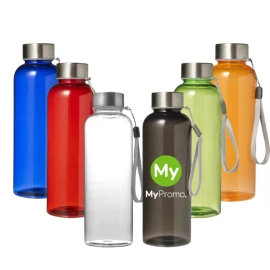
Tritan is widely used in various applications due to its versatile nature. One of the most common uses of Tritan is in the production of drinkware, such as personalised water bottles, tumblers, and pitchers. These items benefit from Tritan's glass-like appearance and robust durability, making them both attractive and practical.
In the realm of promotional products, Tritan's advantages are highly valued. Companies often use Tritan to create customised items such as branded water bottles, personalised tumblers, and other promotional gifts. These products not only look premium but also offer longevity, ensuring that the promotional message remains visible for a long time.
Beyond drinkware, Tritan is used in the manufacturing of kitchenware, food storage containers, and even medical devices. Its safety profile and resistance to chemicals make it suitable for various applications where hygiene and durability are paramount.
Advantages of Tritan in Manufacturing
The advantages of using Tritan in manufacturing are manifold. Firstly, its BPA-free composition addresses health concerns associated with other plastics, making it a safer choice for consumers. Tritan's durability means that products are less likely to break or wear out, reducing the need for frequent replacements and contributing to sustainability.
Tritan's ability to maintain its clarity and resist stains and odours ensures that products made from it remain appealing and functional over time. This longevity translates into better value for both manufacturers and consumers, as items retain their quality for extended periods.
Comparing Tritan to Other Materials
When compared to other plastics, Tritan stands out for its unique combination of properties. Unlike polycarbonate, Tritan does not contain BPA, making it a safer alternative. In terms of durability, Tritan surpasses many other plastics, offering superior impact resistance. Its glass-like clarity is also a distinguishing feature, often unmatched by other plastic materials.
However, Tritan does come with some challenges. The cost of Tritan can be higher than that of other plastics, which might be a consideration for some manufacturers. Additionally, while Tritan is highly durable, it is still a plastic and may not be as environmentally friendly as materials like glass or stainless steel in terms of end-of-life disposal.
Conclusion
Tritan is a remarkable material that has made significant strides in the manufacturing world, particularly for products requiring durability, safety, and aesthetic appeal. Its unique properties, such as BPA-free composition, impact resistance, and clarity, make it an ideal choice for a wide range of applications, including drinkware, kitchenware, and promotional items. Despite some potential limitations, the benefits of Tritan often outweigh the challenges, positioning it as a preferred material for many innovative and high-quality products.
| Aspect | Details |
|---|---|
| Material Type | Copolyester |
| Developed By | Eastman Chemical Company |
| Introduced | Early 2000s |
| BPA-Free | Yes |
| Durability | High resistance to impacts and breakage |
| Clarity | Glass-like transparency, remains intact over time |
| Resistance | Odours and stains |
| Common Applications | Drinkware (water bottles, tumblers, pitchers), kitchenware, food storage containers, medical devices |
| Promotional Uses | Customised branded items (water bottles, tumblers, promotional gifts) |
| Advantages | Safe for consumers, long-lasting, maintains aesthetic and functional qualities |
| Comparison to Other Materials | Superior to polycarbonate in terms of safety (BPA-free), durability, and clarity |
| Challenges | Higher cost, environmental considerations compared to materials like glass or stainless steel |

Why is Tritan considered safer than other plastics?
Tritan is free from BPA, a chemical often associated with health risks in other plastics. This makes it a safer choice for products that come into contact with food and beverages.
What are the key properties of Tritan?
Tritan is known for its high durability, glass-like clarity, and resistance to odours and stains. These properties make it ideal for products that need to maintain their appearance and functionality over time.
What common products are made from Tritan?
Tritan is used to make a wide range of products including water bottles, tumblers, pitchers, kitchenware, food storage containers, and medical devices. It is also popular for promotional items like customised drinkware.
How does Tritan compare to polycarbonate plastic?
Unlike polycarbonate, Tritan does not contain BPA, making it a safer alternative. It also offers superior impact resistance and maintains its clarity over time, even after repeated use and washing.
Can Tritan products be used in the dishwasher?
Yes, Tritan products are dishwasher safe. They maintain their clarity and structural integrity even after many cycles in the dishwasher, making them convenient for everyday use.