
Slate
What is Slate?
Slate is a fine-grained, metamorphic rock that has gained prominence due to its versatility and unique properties. Known for its durability and aesthetic appeal, slate has found its place in both the manufacturing industry and the world of promotional gifts. This natural stone is derived from shale, a sedimentary rock, and is transformed under intense heat and pressure over millions of years, creating its characteristic layers and smooth texture.
The use of slate dates back to ancient times when it was commonly used for roofing and flooring due to its resilience and natural beauty. Its historical significance spans various cultures, showcasing its durability and timeless appeal.
The process of sourcing slate begins with the extraction of shale from quarries. This shale undergoes a metamorphic process, which involves exposure to high temperatures and pressures, resulting in the formation of slate. Once the slate is formed, it is carefully split into thin, flat sheets along its natural cleavage lines, making it ready for various applications.
Understanding the Properties and Characteristics of Slate
Slate is renowned for several key properties that make it an invaluable material in many fields. It is highly durable and can withstand extreme weather conditions without degrading. This material is also resistant to water and chemicals, making it ideal for use in harsh environments. Additionally, slate is non-toxic and hypoallergenic, making it safe for use in a variety of products. Its unique texture and natural appearance add an aesthetic value that is highly sought after.
Exploring Common Applications of Slate
The versatility of slate allows it to be used in a variety of applications. In the manufacturing world, it is commonly found in roofing, flooring, and wall cladding due to its durability and resistance to elements. Notable examples of products made with slate include high-quality roofing tiles, elegant flooring slabs, and durable countertops.
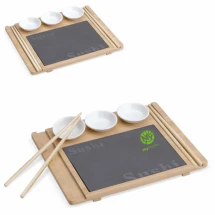
In the realm of promotional gifts, slate is popular for making personalised coasters, personalised cheese boards, and nameplates. These products can be easily personalised with logos, slogans, or messages, making them ideal for brand promotion and giveaways.
The Advantages of Using Slate in Manufacturing
Using slate in manufacturing offers numerous advantages. Its natural strength and durability ensure that products made from slate have a long lifespan, reducing the need for frequent replacements. The material's resistance to extreme weather conditions and environmental factors makes it suitable for a wide range of settings. Slate's aesthetic appeal, with its unique textures and colours, adds a touch of elegance to any product, enhancing its value and desirability.
Comparing Slate with Other Materials
When compared to other materials like granite, marble, and ceramic, slate stands out due to its unique combination of properties. Unlike granite, slate has a smoother, more uniform texture, making it easier to work with for detailed designs. Compared to marble, slate is more resistant to stains and chemicals, making it more practical for certain applications. While ceramic is lightweight and versatile, it lacks the natural aesthetic and durability of slate.
Addressing Potential Challenges and Limitations of Slate
While slate is a highly versatile and durable material, it is not without its challenges. The sourcing process can be labour-intensive and costly, compared to other materials like ceramic or synthetic options. Additionally, slate can be brittle and may require careful handling during installation to prevent cracking. Despite these limitations, the benefits of using slate often outweigh the drawbacks, making it a popular choice in many industries.


What is slate used for in construction?
Slate is commonly used for roofing tiles, flooring, and wall cladding due to its durability and resistance to weather conditions.
How is slate sourced and processed?
Slate is extracted from quarries as shale, then subjected to high temperatures and pressures to form slate. It is then split into thin, flat sheets.
What makes slate a good choice for promotional products?
Slate can be easily personalised with logos and messages, making it ideal for customised coasters, cheese boards, and nameplates.
How does slate compare to granite and marble?
Slate is smoother and more uniform than granite, more resistant to stains and chemicals than marble, and offers a unique aesthetic appeal.
What are the limitations of using slate?
Slate can be brittle and may require careful handling during installation. Its sourcing process can also be labour-intensive and costly.