
Wheat straw
What is Wheat Straw?
Wheat straw is a natural byproduct obtained from the wheat plant, specifically from the stalks left over after the grain is harvested. It has gained significant importance in the manufacturing world, particularly for creating eco-friendly and sustainable products. This material is increasingly used in the production of various goods, including promotional gifts, due to its versatility and environmental benefits.Historically, wheat straw has been used for centuries in agriculture and construction. In traditional farming, it was commonly used for bedding livestock and as mulch to protect crops. In construction, it was utilised for thatching roofs. With the growing focus on sustainability, wheat straw has found new applications in modern manufacturing processes.
The process of sourcing wheat straw begins with the harvesting of wheat. After the grain is separated, the remaining straw is collected. This straw is then cleaned to remove any residual grains and impurities. Once cleaned, the straw is often cut into smaller pieces or processed into a pulp. This pulp can then be moulded or extruded into various products.
The Essential Characteristics of Wheat Straw
Wheat straw possesses several unique properties that make it highly desirable in manufacturing. It is a lightweight material, making it easy to handle and transport. Despite its lightness, wheat straw is quite durable and resilient, providing a strong alternative to traditional plastics and other synthetic materials.
Another key characteristic of wheat straw is its biodegradability. Products made from wheat straw decompose naturally over time, reducing environmental impact and contributing to sustainability. Additionally, wheat straw has a natural aesthetic appeal, often featuring a light, earthy colour that adds a touch of nature to any product.
Applications and Examples of Wheat Straw Products
Wheat straw is used in a wide range of applications, particularly in the production of everyday items and promotional products. In the household sector, wheat straw is often used to make tableware such as plates, bowls, and cutlery. These items are not only practical but also eco-friendly, appealing to consumers looking for sustainable alternatives.
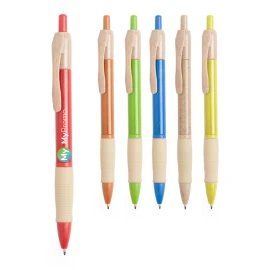
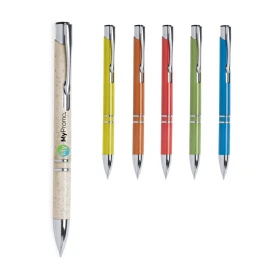
In the promotional gifts market, wheat straw is increasingly popular for creating personalised items. Common examples include branded mugs, personalised pens, and phone cases. These products not only serve as effective marketing tools but also convey a message of environmental responsibility.
Advantages of Using Wheat Straw in Manufacturing
The benefits of using wheat straw in manufacturing are numerous. Its natural durability ensures that products made from wheat straw have a long lifespan, making them cost-effective for both producers and consumers. The material's biodegradability also makes it an environmentally friendly option, reducing waste and lessening the impact on landfills compared to traditional plastics.
Wheat straw's lightweight nature makes it easy to work with, allowing for the creation of a wide variety of products. Its natural aesthetic adds an appealing touch to items, making them attractive to eco-conscious consumers. Additionally, using wheat straw helps reduce reliance on petroleum-based plastics, promoting a more sustainable manufacturing process.
Comparing Wheat Straw with Other Materials
When compared to synthetic materials like plastic, wheat straw stands out for its environmental benefits. Unlike plastics, which can take hundreds of years to decompose, wheat straw products break down naturally, reducing long-term waste. Wheat straw is also renewable, as it is a byproduct of wheat farming, whereas plastics are derived from non-renewable petroleum sources.
However, wheat straw does have some challenges. It may not be as robust as certain high-grade plastics or metals, potentially limiting its use in applications requiring extreme durability. Additionally, products made from wheat straw might have higher initial costs due to the processes involved in collecting and processing the material.
Potential Challenges and Limitations of Wheat Straw
Despite its many advantages, wheat straw has certain limitations. The cost of producing wheat straw products can be higher than that of traditional plastics, mainly due to the additional processing steps required. Wheat straw items may also not be suitable for all applications, especially those requiring high strength and durability.
In conclusion, wheat straw is a remarkable material with a wide range of applications. Its unique properties make it an excellent choice for creating both everyday items and special promotional gifts, offering a blend of practicality, aesthetic appeal, and environmental sustainability. While there are some challenges associated with its use, the benefits of wheat straw in manufacturing are significant, ensuring its growing relevance in a world increasingly focused on sustainable solutions.
| Characteristic | Wheat Straw | Plastic | Metal | Wood |
|---|---|---|---|---|
| Source | Renewable, agricultural byproduct | Non-renewable, petroleum-based | Non-renewable, mined | Renewable, forestry product |
| Biodegradability | Yes | No | No | Yes |
| Weight | Lightweight | Varies (generally light) | Heavy | Moderate |
| Durability | Moderate | High | Very High | High |
| Environmental Impact | Low, eco-friendly | High, pollution and waste | High, resource-intensive | Moderate, deforestation concerns |
| Processing Requirements | Low to moderate | Low to moderate | High | Moderate |


What is wheat straw and how is it obtained?
Wheat straw is a natural byproduct derived from the stalks of wheat plants after the grain has been harvested. It is collected during the wheat harvesting process and then cleaned to remove any residual grains and impurities.
What are the environmental benefits of using wheat straw?
Wheat straw is an eco-friendly material because it is renewable and biodegradable. Products made from wheat straw decompose naturally over time, reducing landfill waste and environmental impact compared to traditional plastics.
What are some common products made from wheat straw?
Wheat straw is used to create a variety of products including tableware such as plates, bowls, and cutlery, as well as promotional items like branded mugs, pens, and phone cases. These products are practical and sustainable alternatives to conventional materials.
Is wheat straw durable enough for everyday use?
Yes, wheat straw is quite durable and resilient, making it suitable for everyday use. While it may not be as robust as certain high-grade plastics or metals, it is strong enough for many common applications like tableware and promotional items.
How does wheat straw compare to plastic in terms of environmental impact?
Wheat straw has a significantly lower environmental impact than plastic. Unlike plastic, which is derived from non-renewable petroleum sources and can take hundreds of years to decompose, wheat straw is renewable and biodegradable, breaking down naturally and reducing long-term waste.
Are there any limitations to using wheat straw in manufacturing?
One limitation of wheat straw is that it may not be as durable as some synthetic materials for applications requiring extreme strength and longevity. Additionally, the initial cost of producing wheat straw products can be higher due to the processing steps involved.
How should products made from wheat straw be cared for?
Products made from wheat straw should be cared for similarly to other natural materials. They are generally safe for use in dishwashers, but it is best to avoid exposing them to extremely high temperatures or harsh chemicals to maintain their longevity and appearance. Always check the care instructions specific to each product.