
Straw
What is Straw?
Straw is a versatile and sustainable material widely used in the manufacturing industry and for promotional gifts. It refers to the dry stalks of cereal plants after the grain and chaff have been removed. Historically, straw has been utilised for various purposes, from roofing and bedding to crafting and packaging, dating back to ancient civilizations where it played a crucial role in everyday life.The Journey of Straw: From Field to Product
The process of sourcing straw begins in the fields where cereal crops such as wheat, barley, and oats are grown. After harvesting the grain, the remaining stalks are collected and dried. This dried straw is then processed, often involving cutting, cleaning, and sometimes bleaching, depending on the intended use. The prepared straw can be woven, compressed, or moulded into a wide range of products, demonstrating its adaptability and utility.
The Essential Characteristics of Straw
Straw is known for several key properties that make it a valuable material in manufacturing. It is lightweight yet sturdy, offering a good balance of strength and flexibility. Straw is also biodegradable and renewable, making it an environmentally friendly choice. It has natural insulating properties, which can be beneficial in various applications. Additionally, straw is generally inexpensive and widely available, contributing to its popularity across different industries.
Applications of Straw: From Everyday Items to Promotional Gifts
Straw finds its way into numerous products that we use daily. In agriculture, it is commonly used as animal bedding and feed. In construction, straw bales are utilised for insulation and eco-friendly building practices. Household items such as baskets, mats, and hats are often made from straw due to its durability and aesthetic appeal.
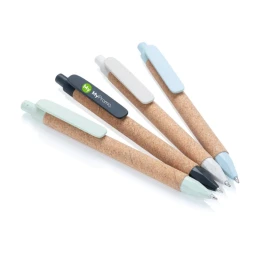
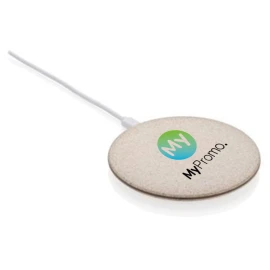
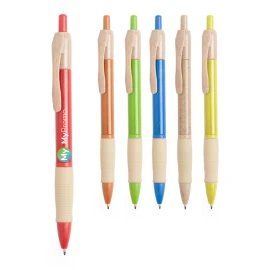
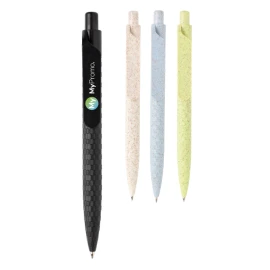
Promotional items crafted from straw are increasingly popular due to their sustainability and unique texture. Personalised straw coasters, eco-friendly straws, and straw hats are excellent examples of promotional products that businesses use to convey an environmentally conscious message. These items not only serve a practical purpose but also align with the growing consumer demand for sustainable products.
Advantages of Using Straw in Manufacturing
One of the significant advantages of straw is its environmental benefits. As a renewable resource, straw reduces reliance on synthetic materials and helps lower the carbon footprint. Its biodegradability ensures that products made from straw have minimal environmental impact at the end of their life cycle. Straw is also cost-effective, offering an affordable alternative to more expensive materials without compromising on quality.
Straw Versus Other Materials
When compared to other materials like plastic, straw stands out for its eco-friendliness. Unlike plastic, which can take hundreds of years to decompose, straw breaks down naturally and enriches the soil. While wood and metal are sturdy and durable, straw provides a lightweight and flexible option that is easier to work with in certain applications. However, straw may not be as strong or long-lasting as these materials, which can be a limitation for specific uses.
Challenges and Limitations of Straw
Despite its many benefits, straw does have some challenges. It is susceptible to moisture, which can lead to mould and decay if not properly treated or stored. The strength of straw is also limited compared to materials like metal or plastic, restricting its use in high-stress applications. Additionally, the processing of straw requires careful handling to maintain its quality and durability.
In conclusion, straw is a valuable material in the manufacturing world, offering a sustainable and versatile option for various applications. Its unique properties make it an excellent choice for eco-friendly products, including promotional items that can enhance a brand's image. By understanding the advantages and limitations of straw, manufacturers and consumers alike can make informed decisions that benefit both the economy and the environment.
| Aspect | Description |
|---|---|
| Key Characteristics | Lightweight, sturdy, biodegradable, renewable, natural insulating properties |
| Common Applications | Animal bedding, feed, insulation, eco-friendly construction, household items |
| Examples of Products | Baskets, mats, hats, personalised coasters, eco-friendly straws, straw hats |
| Environmental Benefits | Reduces reliance on synthetic materials, lowers carbon footprint, biodegradable |
| Comparison to Other Materials | Eco-friendlier than plastic, lightweight and flexible, not as strong as metal |
| Challenges and Limitations | Susceptible to moisture, limited strength, requires careful processing |



What makes straw a sustainable choice for promotional products?
Straw is a sustainable material because it is a by-product of cereal crops, making it renewable and abundant. It is biodegradable and compostable, which means it has minimal environmental impact compared to synthetic materials.
Are straw promotional products durable?
Straw products are surprisingly durable, especially when properly processed and treated. They can withstand regular use and maintain their shape and structure over time. However, they are not as strong as materials like metal or plastic, so they are best suited for low to moderate stress applications.
How can straw be used in promotional items?
Straw can be used in a variety of promotional items such as coasters, hats, baskets, and eco-friendly drinking straws. These products can be personalised with logos or messages, making them unique and appealing promotional gifts.
What are the environmental benefits of using straw for promotional products?
Using straw reduces reliance on non-renewable resources and helps lower carbon footprints. As a biodegradable material, straw decomposes naturally without polluting the environment, making it an excellent choice for eco-conscious brands.
How should straw promotional products be cared for?
Straw products should be kept dry and stored in a cool, dry place to prevent moisture damage. They can be cleaned with a dry cloth or gently wiped with a damp cloth if necessary. Proper care will help maintain their appearance and durability over time.